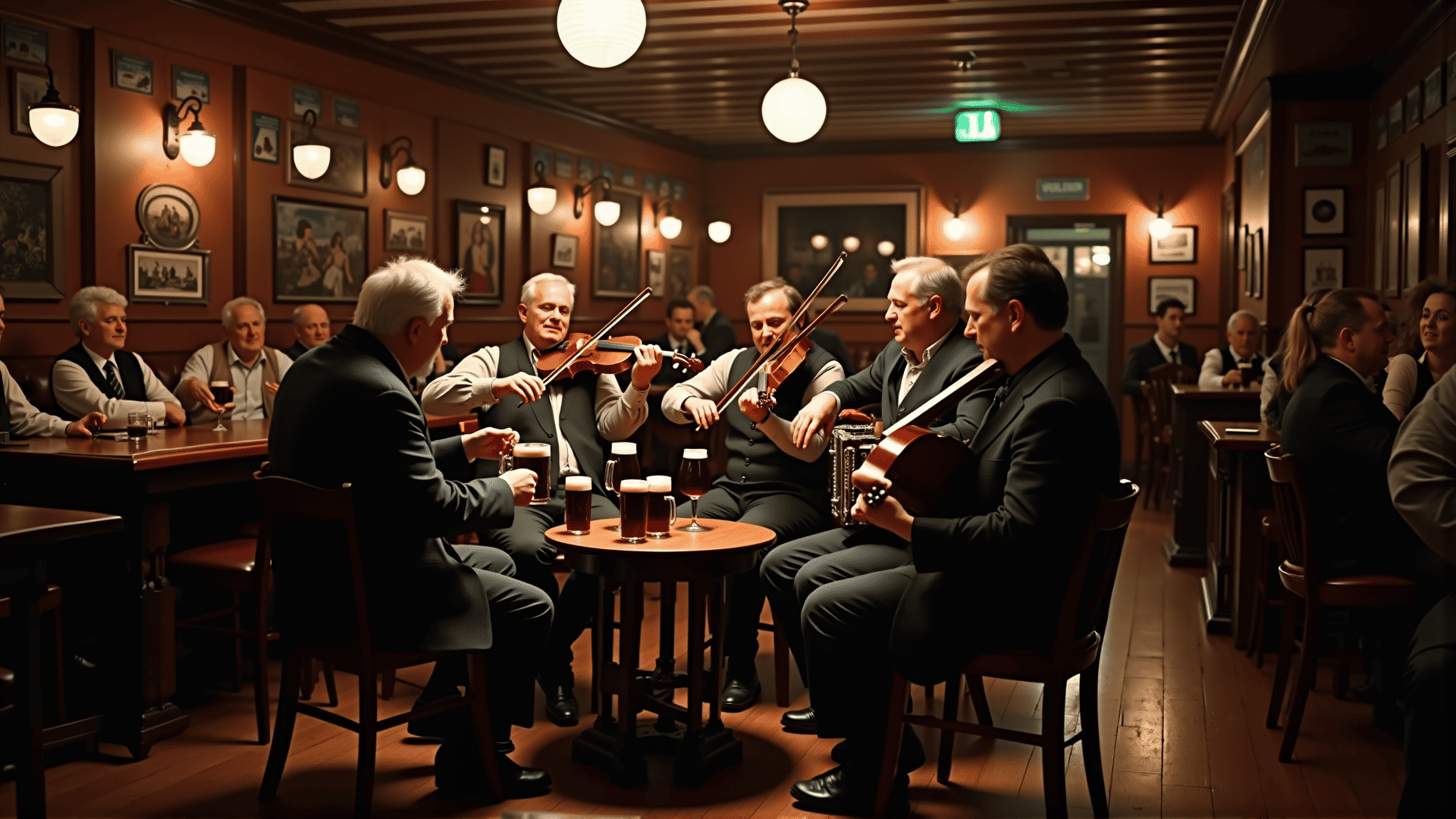
Stepping into an Irish pub in England, one is often enveloped in a warm, inviting atmosphere that is as much about the sounds as it is about the scents. The melodies of traditional Irish music thread through the lively chatter and clinking glasses, creating a vibrant cultural tapestry. This integral presence of music is more than just background noise; it plays a critical role in enriching the experience for anyone walking through the doors.
Traditional Irish tunes often draw from a rich history, echoing stories of joy, sorrow, love, and rebellion. Instruments like fiddles, tin whistles, bodhráns, and uilleann pipes come together to create a unique sound that is both hauntingly beautiful and rhythmically contagious. The musicians, who may range from seasoned professionals to enthusiastic amateurs, form an essential part of the pub's character, contributing significantly to the authenticity of this cultural encounter.
For many patrons, these musical sessions, known as "sessions" or "seisiúns," offer a direct link to Irish heritage. Even outside of Ireland, this tradition is lovingly maintained within English pubs, where the music fosters a sense of community among the listeners. The songs often encourage participation, be it through clapping, singing along, or even dancing, creating an inclusive environment where everyone is welcome to join in the celebration.
The influence of this music also extends beyond mere entertainment. It serves as a foundation for social connections, bringing together individuals from various backgrounds to share a common appreciation. Regular sessions often turn into social hubs, where friendships are formed, stories exchanged, and memories created—all fueled by the lively soundtrack of Irish tradition.
This musical tradition also plays a role in preserving and propagating Irish culture within England. Pubs regularly hosting live sessions help ensure these traditional tunes continue to be passed down through generations. Young musicians often come to play alongside experienced ones, learning not just the tunes but also the cultural significance and storytelling that accompany them.
In conclusion, the role of traditional music within Irish pubs in England is multifaceted. It creates a cultural bridge, enhances social interactions, and sustains an age-old tradition that enriches the pub experience. For anyone visiting an Irish pub, embracing the sounds of these musical gatherings offers a window into a world where history, culture, and community harmonize beautifully.